


Roofing Systems
At Sylvester Roofing Company Inc., we believe that there is a proper and ideal roofing system for each building. Our philosophy is to install the best possible roof. In selecting a right system for a building, factors such as structural design, aesthetics, budget, and serviceability are considered. We hang our hat on developing a long-term working relationship with each building owner or General Contractor to make sure that the selected roof is the correct roof.
LOW SLOPE SYSTEMS
Built-UP Roofing
A built-up roof is composed of three elements: felt, bitumen, and surfacing. The felts, which are made of glass, organic or polyester fibers, serve much of the same purpose as reinforcing steel in concrete. The felts are necessary as tensile reinforcement to resist the extreme pulling forces in the roofing material. Felts installed in layer fashion also allow more bitumen to be applied to the whole system. Bitumen, either coal-tar of asphalt is the “glue” that holds the felts together. It is also the waterproofing material in the system. The surfacing's normally applied to built-up roofs are smooth, gravel, slag, or mineral-coated cap sheet. Gravel, slag, may be embedded into the still-fluid flood coat. Gravel and slag serve as an excellent wearing surface to protect the membrane from mechanical damage. On some systems, a mineral coated cap sheet is applied on top of the plies of felt.
EPDM Single-Ply EPDM
This thermo set membrane is compounded from rubber-polymer and is often referred to as rubber roofing. Some of the features that contribute to the popularity of EPDM single ply roofing include long-term weather ability, including excellent resistance to temperature extremes, sunlight, ozone, and moisture, ease, speed, and cleanliness of installation. This lightweight synthetic elastomer material has been used since the early 1970’s. Another feature is adaptability. Varied application techniques such as ballasted, fully adhered, and mechanically fastened, allow EPDM roofing systems to be applied to virtually any roof surface: flat, spherical, curved, or slanted.
STEEP SLOPE SYSTEMS
Asphalt shingles
There are a number of things to consider when selecting a new roof for your home. Of course, cost and durability head the list, but aesthetics and architectural style are important too. The right roof for your home is the one that balances those four considerations. Asphalt shingles take over an overwhelming share of the U.S. residential roofing market. These shingles can be either organic or fiberglass materials. Although shingles reinforced with organic felts have been around much longer, fiberglass-reinforced products have come to dominate the market. The fire resistance of asphalt shingles, like most other roofing materials, is categorized by Class A, B, or C. Class A is the most fire resistant, while Classes B and C have less. Generally, most fiberglass shingles have a Class A fire rating, while most organic have a Class C rating. A shingles reinforcement will have little effect on its appearance. Both organic and fiberglass products are available in laminated (architectural) grades that offer a textured appearance.
Concrete Tile
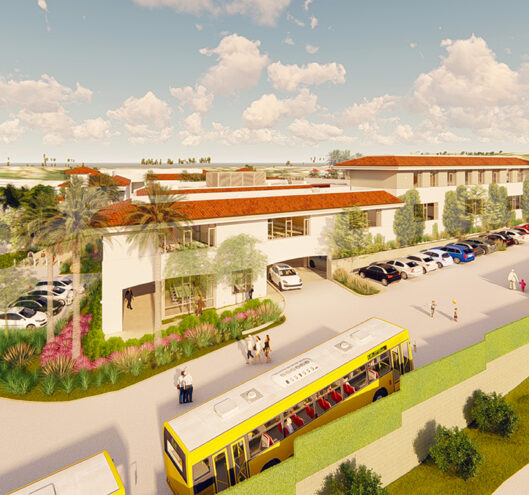
Roof Tile can be made in a vast variety of styles, sizes, and colors made out of several different ingredients. Clay, Concrete, and new to the market is Rubber.
Clay and concrete tiles have similar physical properties and installation methods. Concrete is typically cheaper to manufacture than clay and it can be made anywhere. Clay tiles must be made near a clay quarry, so additional freight cost can be an issue, and add to the cost of the roof. A well constructed clay or concrete tile roof should last more than 50 years.
This is also an expensive type of roof installation as the materials are more expensive and require a strong frame to support the heavy load of the tiles, which may require additional structure work.
Slate
Slate (stone) shingles are highly durable, expected service life is from 45 to 75 years when installed properly. Some manufacturers make claims of 100+ years.
Slate roofs are about 3 times heavier per square foot than asphalt. Slate is a bit more difficult to work with and less forgiving than asphalt shingles because they break easily. A slate roof can create a very rich, colorful, hand-crafted look that greatly adds to the overall appearance of a house. While it has its advantages, it is definitely a high end roof product..
Materials alone are approximately 400% more expensive than the materials and installation of a 50 year high quality asphalt shingle.
Organic shingles consists of a wood-fiber base that is saturated with asphalt and coated with colored mineral granules. To fight fungus growth in warm, wet climates, they are available with special algicide granules.
Fiberglas shingles consists of a fiberglass mat, top and bottom layers of asphalt and mineral granules. Typically, fiberglass offers greater durability, but their manufacturer is important.
Laminated dimensional shingles are used for higher –budget applications. It is thicker, due to a lamination of more than one thickness of product. It also contains shadow lines, resembling a wood shake or slate shingle.
Sylvester Roofing installs a variety of residential roofing systems. From a re-roof to a complete tear off, Sylvester Roofing can add the beauty, value, and protection your family needs.
Sylvester Roofing offers countless styles and colors to give your home that distinguished look.
We take the same pride in our residential division as our commercial division, assuring detailed installation, quality products and superb workmanship. Furthermore, all of our work is backed by a solid warranty.
Please call or Email for more information, product samples and a free inspection and estimate.
LOW SLOPE SYSTEMS
Built-UP Roofing
A built-up roof is composed of three elements: felt, bitumen, and surfacing. The felts, which are made of glass, organic or polyester fibers, serve much of the same purpose as reinforcing steel in concrete. The felts are necessary as tensile reinforcement to resist the extreme pulling forces in the roofing material. Felts installed in layer fashion also allow more bitumen to be applied to the whole system. Bitumen, either coal-tar of asphalt is the “glue” that holds the felts together. It is also the waterproofing material in the system. The surfacing's normally applied to built-up roofs are smooth, gravel, slag, or mineral-coated cap sheet. Gravel, slag, may be embedded into the still-fluid flood coat. Gravel and slag serve as an excellent wearing surface to protect the membrane from mechanical damage. On some systems, a mineral coated cap sheet is applied on top of the plies of felt.
EPDM Single-Ply EPDM
This thermo set membrane is compounded from rubber-polymer and is often referred to as rubber roofing. Some of the features that contribute to the popularity of EPDM single ply roofing include long-term weather ability, including excellent resistance to temperature extremes, sunlight, ozone, and moisture, ease, speed, and cleanliness of installation. This lightweight synthetic elastomer material has been used since the early 1970’s. Another feature is adaptability. Varied application techniques such as ballasted, fully adhered, and mechanically fastened, allow EPDM roofing systems to be applied to virtually any roof surface: flat, spherical, curved, or slanted.
STEEP SLOPE SYSTEMS
Asphalt shingles
There are a number of things to consider when selecting a new roof for your home. Of course, cost and durability head the list, but aesthetics and architectural style are important too. The right roof for your home is the one that balances those four considerations. Asphalt shingles take over an overwhelming share of the U.S. residential roofing market. These shingles can be either organic or fiberglass materials. Although shingles reinforced with organic felts have been around much longer, fiberglass-reinforced products have come to dominate the market. The fire resistance of asphalt shingles, like most other roofing materials, is categorized by Class A, B, or C. Class A is the most fire resistant, while Classes B and C have less. Generally, most fiberglass shingles have a Class A fire rating, while most organic have a Class C rating. A shingles reinforcement will have little effect on its appearance. Both organic and fiberglass products are available in laminated (architectural) grades that offer a textured appearance.
Concrete Tile
Roof Tile can be made in a vast variety of styles, sizes, and colors made out of several different ingredients. Clay, Concrete, and new to the market is Rubber.
Clay and concrete tiles have similar physical properties and installation methods. Concrete is typically cheaper to manufacture than clay and it can be made anywhere. Clay tiles must be made near a clay quarry, so additional freight cost can be an issue, and add to the cost of the roof. A well constructed clay or concrete tile roof should last more than 50 years.
This is also an expensive type of roof installation as the materials are more expensive and require a strong frame to support the heavy load of the tiles, which may require additional structure work.
Slate
Slate (stone) shingles are highly durable, expected service life is from 45 to 75 years when installed properly. Some manufacturers make claims of 100+ years.
Slate roofs are about 3 times heavier per square foot than asphalt. Slate is a bit more difficult to work with and less forgiving than asphalt shingles because they break easily. A slate roof can create a very rich, colorful, hand-crafted look that greatly adds to the overall appearance of a house. While it has its advantages, it is definitely a high end roof product..
Materials alone are approximately 400% more expensive than the materials and installation of a 50 year high quality asphalt shingle.
Organic shingles consists of a wood-fiber base that is saturated with asphalt and coated with colored mineral granules. To fight fungus growth in warm, wet climates, they are available with special algicide granules.
Fiberglas shingles consists of a fiberglass mat, top and bottom layers of asphalt and mineral granules. Typically, fiberglass offers greater durability, but their manufacturer is important.
Laminated dimensional shingles are used for higher –budget applications. It is thicker, due to a lamination of more than one thickness of product. It also contains shadow lines, resembling a wood shake or slate shingle.
Sylvester Roofing installs a variety of residential roofing systems. From a re-roof to a complete tear off, Sylvester Roofing can add the beauty, value, and protection your family needs.
Sylvester Roofing offers countless styles and colors to give your home that distinguished look.
We take the same pride in our residential division as our commercial division, assuring detailed installation, quality products and superb workmanship. Furthermore, all of our work is backed by a solid warranty.
Please call or Email for more information, product samples and a free inspection and estimate.